
A kitchen utensil purchased online based on a “professional quality” or “lifetime durable” label may disappoint at the first use on an induction cooktop. Finding the best kitchen utensils near you requires checking three parameters before considering the price: compatibility with your cooking source, actual maintenance conditions, and the existence of a local after-sales service.
Compatibility of kitchen utensils with your cooking method
Before considering brand or material, the first question concerns the heat source available in your kitchen. A bare copper pan works on gas, but not on induction. An enameled cast iron pot works on induction, but its slow heating makes it less suitable for quick searing on ceramic glass.
Checking actual compatibility with your cooktop requires flipping the utensil over and looking for the corresponding pictogram, engraved or printed on the bottom. The mentions “suitable for all heat sources” or “all types of heat” are not always sufficient: some manufacturers include induction in this label only if the bottom contains a ferromagnetic layer, which is not always the case for budget ranges.
Stainless steel remains the most versatile material. According to trends observed by Lagostina for 2026, cooks prefer durable cookware sets, with stainless steel being the top choice. Its compatibility with all cooking sources, including induction, partly explains this preference. In a physical store, you can test the bottom with a magnet: if it sticks, the utensil will work on induction.
Consulting the L’Art du Goût website nearby allows you to identify local retailers who provide information on these technical compatibilities, region by region.

“Pro” and “durable” labels: what marketing mentions hide about utensils
The word “professional” on a kitchen utensil does not adhere to any regulatory standard in France. A knife stamped “chef” may be made from soft steel that loses its sharpness after a few weeks. Similarly, the mention “durable” sometimes refers to a simple thickness of metal that is above average for the range, without any guarantee of actual longevity.
Reviews from individuals remain a reliable channel to differentiate between two products. Discussions on forums like Reddit (r/Cooking, r/BuyItForLife) show that in 2026, buyers are turning to real-world experiences rather than product sheets. A user who cooks daily with a pot for three years provides more actionable information than a marketing description.
To sort through claims, focus on these verifiable criteria in-store:
- The thickness of the bottom: a bottom that is too thin warps under heat, especially on induction. Hold the utensil and compare the weight between two models of the same diameter.
- The type of handle assembly: a riveted handle lasts longer than a glued or screwed handle. Check that the rivets are flush to facilitate cleaning.
- The exact composition: an 18/10 stainless steel (18% chromium, 10% nickel) offers better corrosion resistance than an 18/0. This information is found on the packaging or technical sheet.
Local after-sales service: the forgotten criterion in choosing kitchen utensils
Buying a utensil online at the best price loses its appeal if returning it for warranty involves an international carrier and several weeks of waiting. Specialized physical stores, whether independent retailers or sites like Mathon that have customer service in France, offer a more direct recourse.
A local after-sales service allows you to sharpen a knife or replace a handle without having to buy the entire utensil again. Some retailers offer re-enameling services for cast iron or replacement seals for pressure cooker lids. This type of service does not exist at most exclusively online retailers.
Here are a few points to check before purchasing:
- The manufacturer’s warranty duration (often distinct from the legal compliance warranty) and the covered parts.
- The availability of spare parts: handles, knobs, lids, seals. A brand that does not sell its parts separately forces you to replace everything.
- The proximity of a drop-off point or an authorized workshop. Some French brands like Cristel or specialized stainless steel manufacturers maintain a network of retailers-repairers.
In-store or online purchase: balancing price and choice for your pots and pans
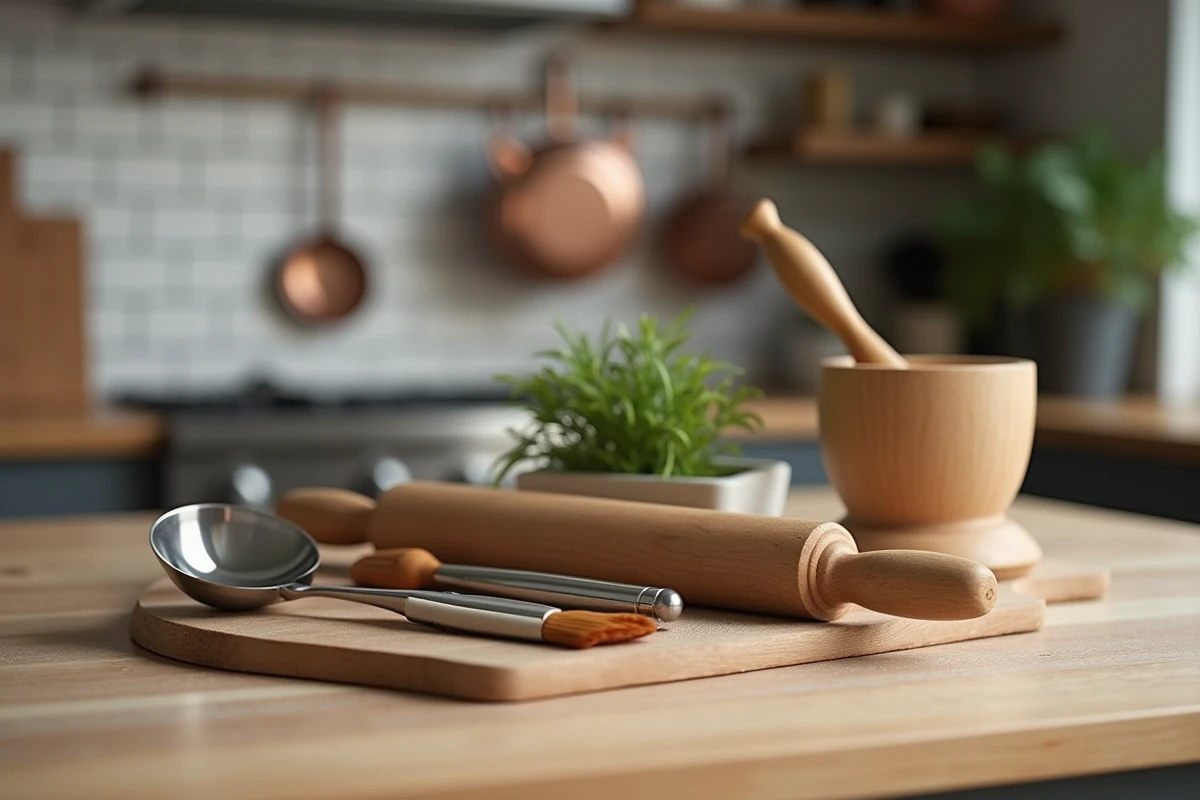
Physical stores allow you to handle the utensil, assess its weight, the ergonomics of the handle, and the quality of the finish. Purchasing from a specialized store also provides access to the advice of a trained salesperson, capable of recommending a pan diameter suitable for your number of guests or a type of pot consistent with your cooking habits.
The price in-store is not always higher than online. Seasonal promotions, clearance sales, and bundles (pans sold in sets of three, for example) often align prices. Mathon regularly offers such bundled deals, with discounts on sets of stainless steel pans.
Online shopping retains an advantage in the range of choices, especially for specific baking utensils or Japanese knives. For these niche categories, detailed customer reviews partially compensate for the inability to handle the product. Prioritize platforms that display verified reviews and specify the tester’s duration of use.
Cross-check sources before paying
The most reliable method combines online research and in-store purchase. Identify two or three references through comparisons and user feedback, then go see them in-store. This approach avoids returns, reduces the risk of disappointment, and gives you a local contact in case of issues.
The kitchen utensil market in 2026 favors buyers who take the time to verify technical compatibility, read reviews from real users, and ensure that an after-sales service exists nearby. A good utensil is not recognized by its price or label, but by its ability to last in your kitchen, with your equipment.