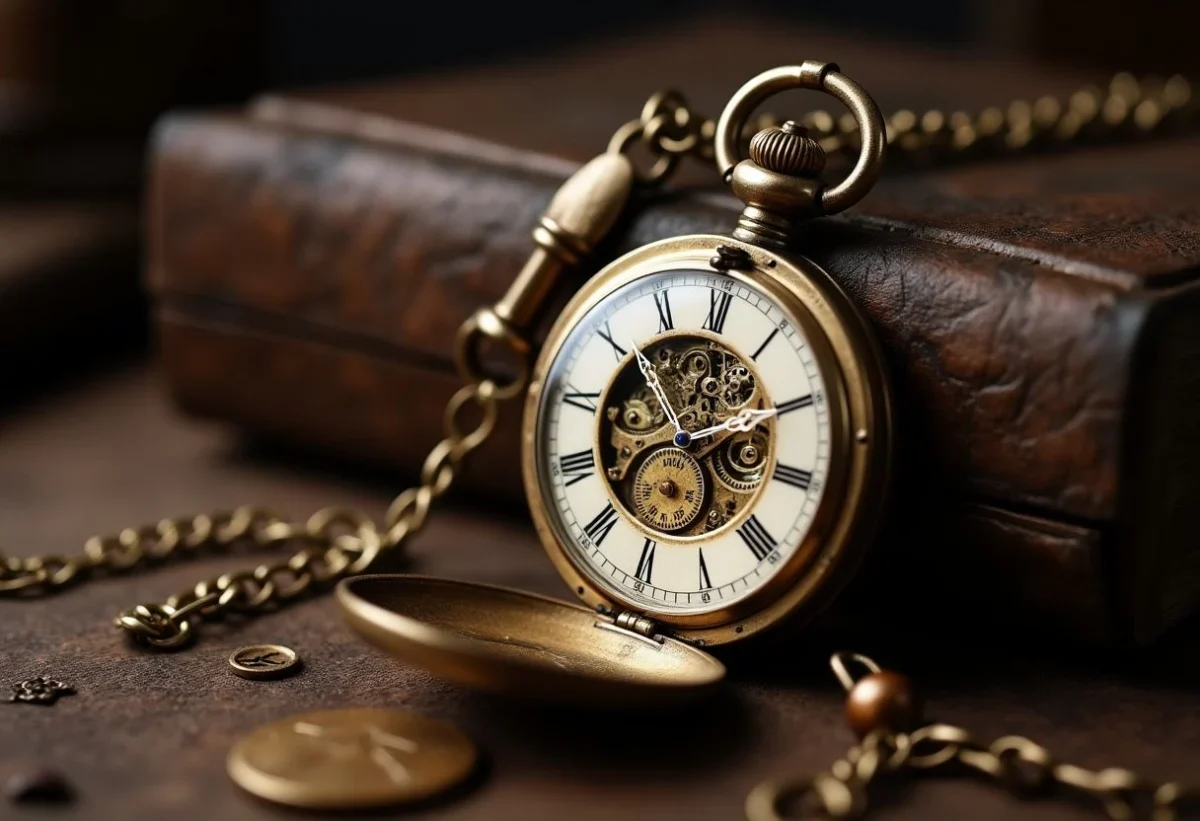
The pocket watch, more than just a simple accessory, is a symbol of refinement, tradition, and history. Emerging in the 17th century, this mechanical jewel adorned the pockets of gentlemen and symbolized the pinnacle of elegance. Today, it is experiencing a resurgence of interest, partly due to its timeless aesthetic and complex mechanisms that fascinate watch enthusiasts around the world.
The Origins and Evolution of the Pocket Watch
A journey through time takes us to the dawn of the pocket watch, where the ingenuity of watchmakers gave birth to this marvel of craftsmanship. Its growing popularity over the centuries speaks volumes about its importance in past societies.
The first pocket watches appeared in the early 17th century, a time marked by rapid evolution in watchmaking technology. *Peter Henlein*, a German watchmaker, is often credited with designing portable watches, direct ancestors of the pocket watch. These early models, although rudimentary by modern standards, paved the way for a portable revolution in timekeeping.
During the 19th century, the pocket watch became an essential accessory for gentlemen. The materials evolved: from gold to brass, and silver, each watch tells a unique story, often engraved in precious metal. Its weight, design, and characteristic chain became distinctive signs of social status and personal taste.
The Design and Functioning of the Pocket Watch
Each pocket watch possesses a complex internal mechanism that fascinates both the curious and watch enthusiasts. Its design, both functional and refined, reflects the genius of watchmakers throughout the ages.
- Case and Dial: With classic elegance, the case protects the delicate internal mechanism while presenting a dial often adorned with Roman numerals. The glass, usually made of mineral crystal, offers a clear view of the hands that dance gracefully to the rhythm of seconds.
- Winding Mechanism: The beating heart of any pocket watch, its manual winding mechanism requires regular attention, a nearly ritualistic gesture that strengthens the bond between the wearer and their watch.
- Chain and Accessories: The chain, a signature element of the pocket watch, comes in various styles and lengths. It ensures the watch’s security while adding an aesthetic touch, often complemented by charms or pendants.
The Pocket Watch in Modern Culture
Although it experienced its golden age in the 19th century, the pocket watch continues to exert a lasting influence in our contemporary culture. It embodies a marriage between past and present, attracting antique enthusiasts and younger generations eager for authenticity.
In the fashion world, the pocket watch fits perfectly with retro and vintage outfits. Modern dandies wear it proudly, reinventing styles while paying homage to the past. Its timeless elegance also finds a place on movie sets, where it adds a touch of veracity and sophistication to historical characters.
The symbolic link it maintains with time makes it fascinating for collectors who see it as a piece of history at their fingertips.
How to Choose and Maintain Your Pocket Watch
Selecting the ideal pocket watch means ensuring not only its appearance but also its mechanism and maintenance. Such an acquisition requires thought and care to guarantee its longevity.
- Choose the Style: Determining whether you prefer a vintage watch or a modern replica will influence your choice. Each watch tells a different story and offers a distinct level of detail.
- Examine the Mechanism: Prioritizing a reliable mechanism is essential. Mechanical movement models require regular maintenance, while quartz ones are more practical for daily use.
- Regular Maintenance: To ensure optimal functioning, it is advisable to clean the watch regularly and have it serviced by an experienced watchmaker.