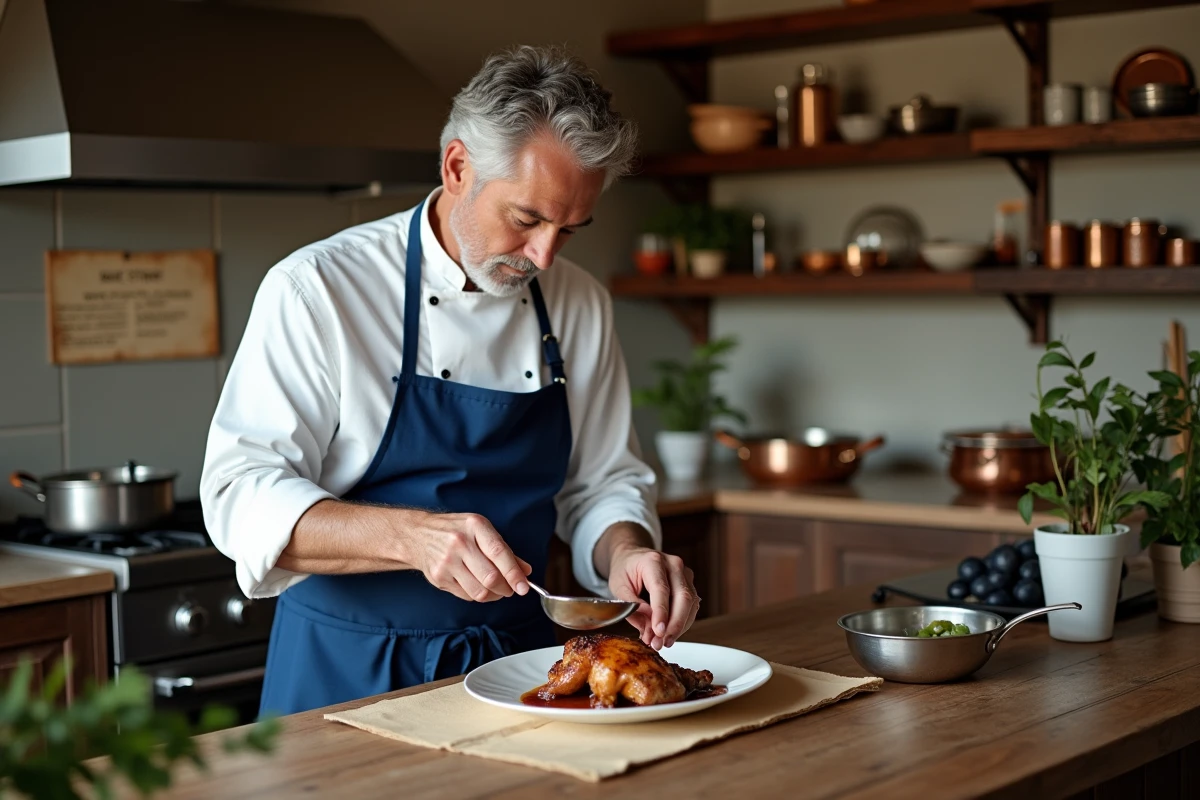
The first French recipe written down? 14th century. Long before cuisine became confined to dogmas, France was already laying the foundations of a fluid culinary tradition. Behind the image of a rigid discipline, each region carves its own path, sometimes in total rupture with the doxa of the “great books.”
The classics of La Varenne or Escoffier set frameworks, but never watertight barriers. Today’s chefs allow themselves all the freedoms, endlessly reinventing cassoulets and bouillabaisses, proof that French cuisine has never spoken with a single voice. The shelves overflow with specialized works, a tangible sign of a vitality that refuses to freeze.
Why does French gastronomy fascinate the whole world?
It is impossible to summarize French gastronomy as a series of techniques. It asserts itself as an art of detail: nothing is left to chance, from the choice of raw materials to the complexity of a sauce. Each dish, whether a simple soup or a starred creation, affirms the same commitment. It reflects the desire to enhance the product, to create the perfect harmony between textures and flavors, to perpetuate and renew tirelessly gestures passed down through generations.
French cuisine has never settled for a single terroir. Regional traditions intertwine, giving birth to an infinite number of specialties, terroir recipes, and iconic pastries. Figures like Paul Bocuse or Alain Ducasse have continuously enriched this heritage, elevating it to a recognized art of living by UNESCO. It is no coincidence: French gastronomy has managed to assert its uniqueness on the global stage.
Seasonal products, local sourcing, the demands of technique, the precision of pastry: excellence lies in the details. Plating a dish is not just about pleasing the eye. It is also about revealing flavor, provoking surprise, and creating a memory. That is why French cuisine inspires, challenges, reinvents itself, and sparks so many vocations.
This richness does not confine itself to books. It circulates, is learned orally, taught in schools, or explored through resources like https://www.gastronomiedujour.fr/. One gets initiated, perfects their skills, exchanges, shares; this is what makes the heart of French culinary culture beat.
A Tour of France’s Must-Try Recipes and Regional Treasures to Discover
The strength of French cuisine lies in this puzzle of regional specialties that compose a living map of taste. Take Burgundy: beef bourguignon embodies all the refinement of a slow-cooked dish, where meat, wine, vegetables, and herbs blend into a deep sauce, a faithful reflection of the local vineyard. Coq au vin, on the other hand, absorbs the flavors of the terroir and imposes its power.
In Gascony, cassoulet stands out for its generosity. Here are the essential ingredients that make it up:
- white beans
- duck confit
- sausages
- and pieces of pork rind
Everyone adds their touch, but conviviality remains the rule. Further north, blanquette de veau charms with the delicacy of its meat and the sweetness of its white sauce. In Dordogne, pommes de terre sarladaises shine with duck fat and truffles, proving that raw products have lost none of their nobility.
In Lorraine, quiche lorraine proudly reigns, while in Paris, French onion soup warms up night owls. Aubrac pulls the aligot while Sète delights with its tielle filled with octopus. As for French cheeses, camembert, roquefort, comté, goat cheese, they punctuate every meal with flair. Even regional breads and sweets, like pompe à huile or gochtial, remind us of the deep marriage between gastronomy and conviviality.
This heritage is passed down in homes, in Lyon’s bouchons, during marcaire meals, or at markets. French gastronomy juggles rigor, pleasure, and identity, never sacrificing the simplicity of soups or the refinement of a signature sauce.
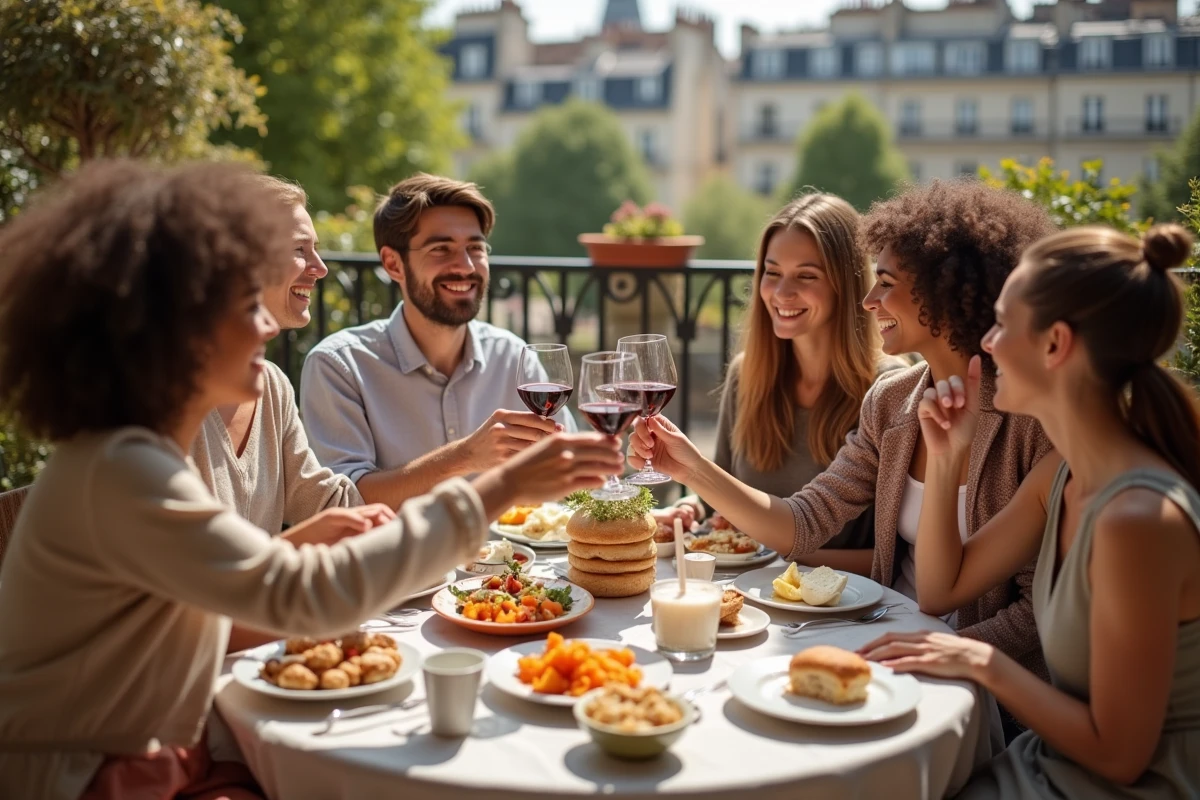
French Cookbooks: Essential Works for Beginners and Advanced Learners
To transmit, learn, decode: French cookbooks embody this educational vocation. True companions on the journey, they reveal secrets of preparation, techniques, and tips, whether one is passionate about bourgeois dishes, a pastry enthusiast, or simply curious. The collections by Paul Bocuse or Alain Ducasse have gained the status of bibles for those wanting to master the basics or dare to tackle the classics.
Today’s chefs, like Jean-François Piège or Jean-François Mallet, offer accessible works where tradition and creativity engage in a dialogue without complexes. François-Régis Gaudry, for his part, enriches each recipe with maps, anecdotes, and analyses. On the publisher side, Hachette continues to publish references praised for their clarity, the robustness of pastry techniques, and the quality of their illustrated step-by-step guides.
Here’s what you can gain from these readings and practices:
- Mastering beef bourguignon, reinterpreting quiche lorraine, or successfully making puff pastry using proven methods.
- Discovering the world of bourgeois cuisine, the secrets of cooking, the art of sauces, and the legacy of popular recipes passed down through generations.
Whether you are starting out or refining your skills, these collections offer concrete pathways, nourish curiosity, and allow you to grasp the full richness of French gastronomy. Opening one of these works is like stepping into a workshop where each page invites you to appropriate, reinterpret, transmit, and perpetuate the great story of taste.