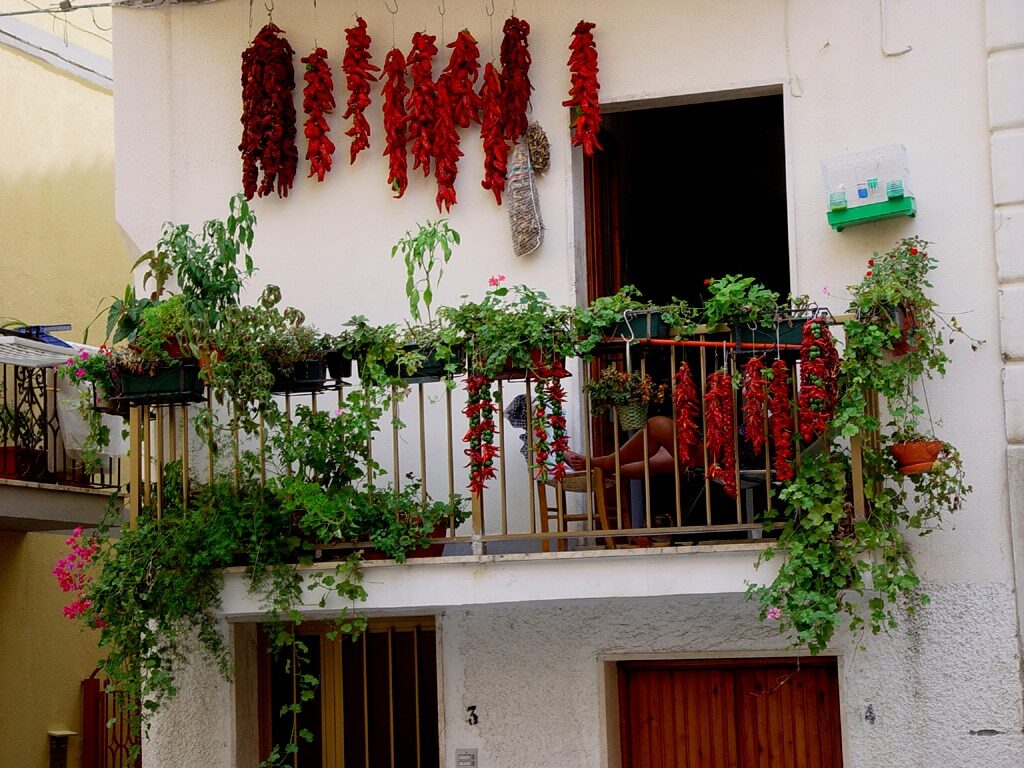
A vegetable garden is a garden dedicated to growing food plants. Vegetable production relates to market gardening, which means the cultivation of vegetables, fruit plants, herbs, etc. The vegetable garden can be located on the ground or on a balcony. In this article, we will inform you about how to set up a balcony vegetable garden.

What are the types of balcony vegetable gardens?
The balcony vegetable garden can be elevated, square, or in kits.
- The elevated balcony vegetable garden: this is a raised garden designed so you don’t have to bend down. To set it up, you need to have raised garden tables or wall mounts.
- The square balcony vegetable garden: this type of garden allows for more space by dividing the growing area into squares of 25 to 50 cm per crop.
- The modular kit balcony vegetable garden: available to start growing immediately.
What equipment do you need?
After determining the type of balcony vegetable garden you want to set up, you will need the following materials:
- high-quality organic potting soil containing organic fertilizer. It is recommended to use soil that includes organized amendments and clay
- terracotta pots instead of plastic pots
- a water sprayer to keep the plant leaves moist
- a watering can with an ideal capacity of 5 L
- a flower rake to aerate the soil before adding compost
In addition to the necessary equipment, you need to determine the right location for your balcony vegetable garden.
What is the ideal location for a balcony vegetable garden?
The location is very important for a balcony vegetable garden. Indeed, it must benefit from good sun exposure for successful crops. Therefore, the location should be oriented southwest or southeast for better sunlight coverage throughout the day. In addition to sun exposure, air circulation must be taken into account. It is important to properly ventilate the balcony to promote the healthy growth of vegetables. However, you should plan for a windbreak or bamboo curtain to adequately protect the crops from drafts.
To arrange your crops, you can use shelves and walls to complement your balcony space. This arrangement then makes your balcony a hanging garden that enhances the decor. Experts like this landscape gardener in Chevreuse can help you achieve such an arrangement.
What can you plant in a balcony vegetable garden?
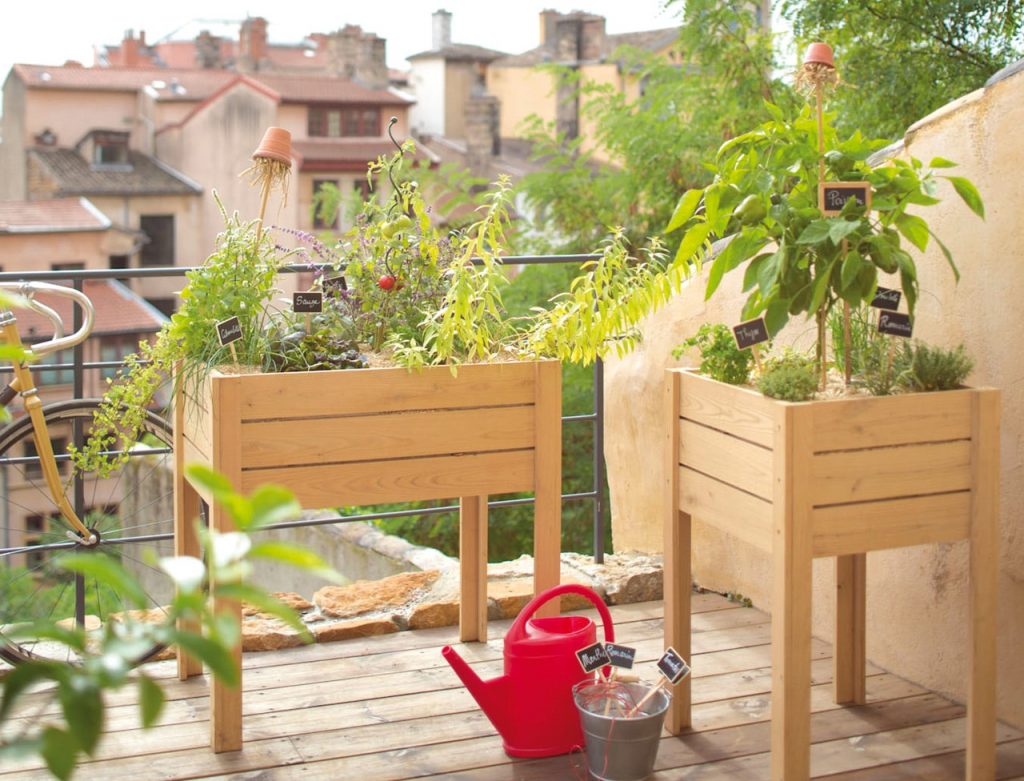
The balcony vegetable garden is not like a traditional garden where you can grow all varieties. For a balcony vegetable garden, you can easily use the following plants: herbs, fava beans, cucumbers, strawberries, green beans, lettuce, turnips, beets, and cabbage. Professionals, however, advise against planting melons or eggplants as they are difficult to grow successfully.
After choosing the type of crop, be careful not to plant too many seeds. All pots should allow for a vital space while respecting the number of plants per pot. Too many plants in one pot can indeed reduce the chances of successful growth.