
The stain-resistant treatment of upholstery fabrics, the digital passport for furniture, the territorial anchoring of color palettes: these topics reshape interior decoration well beyond the stylistic trends relayed each season. Addressing trendy and personalized interior decoration today requires crossing technical, regulatory, and sensory criteria that most inspiration guides overlook.
Upholstery Fabrics and PFAS: A Determining Technical Criterion
Per- and polyfluoroalkyl substances (PFAS), long used to give upholstery fabrics their stain resistance, are now being questioned for health and environmental reasons. PFAS are becoming a selection criterion for decorative textiles, rather than just a marketing argument.
In practice, we recommend prioritizing naturally resistant materials over chemically treated fabrics. Heavy linen, twill cotton, and wool provide sufficient mechanical durability for a sofa or living room cushions without resorting to fluorinated treatments.
This approach alters the range of available textures. Untreated twill cotton has a different drape and feel compared to coated polyester: the grain is more visible, and the color evolves slightly over time. For a personalized decoration project, it is precisely this patina that creates uniqueness in a room.
Exploring decor on Youpi La Maison allows you to identify ranges of textiles and accessories compatible with this growing demand for healthy compositions.
Digital Passport for Furniture: What the European Ecodesign Regulation Changes
The European regulation on the ecodesign of sustainable products, adopted in 2024, classifies furniture and mattresses among the priority categories. Every piece of furniture sold in the European Union will eventually need to be accompanied by standardized environmental information concerning durability, reparability, and recyclability.
The specific obligations will depend on future European acts, but the direction is clear. For anyone investing in living room, bedroom, or kitchen furniture, this means that material traceability becomes a full-fledged lever for personalization.
Concrete Consequences on Furniture Selection
A piece of furniture designed to be repairable incorporates removable assemblies (visible screws, accessible mortise and tenon joints) rather than permanent adhesives. This technical choice directly influences the style: lines are often bolder, and visible joints become a design element.
We observe that this constraint pushes manufacturers towards local wood species and oiled finishes rather than lacquered ones, which alters the ambiance of a space. A repairable oiled oak sideboard does not have the same visual register as a laminated MDF piece, and it is precisely this discrepancy that nourishes a unique interior decoration.
Territorial Customization of Color Palettes
Decorative customization is becoming territorial, not just stylistic. Analyses relaying an Airbnb-IFOP study show that the chosen palettes vary according to landscapes and regional heritage.
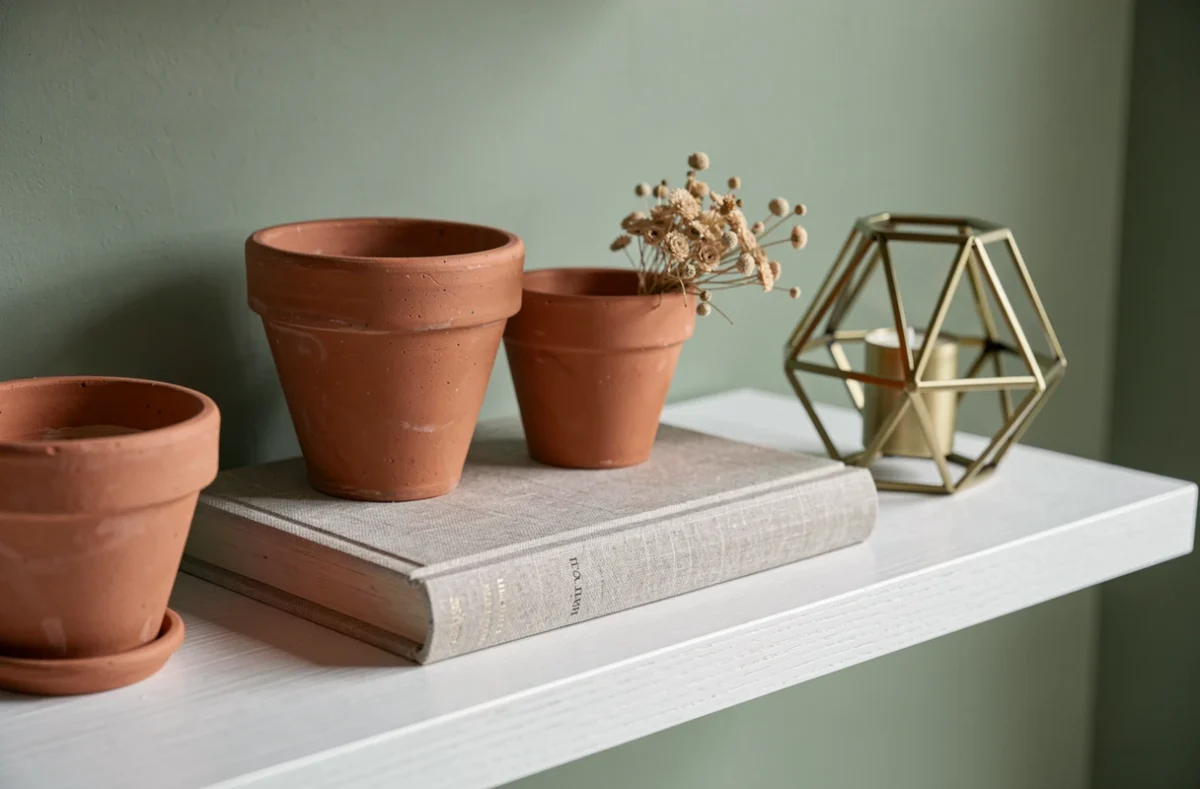
- Mineral and ochre tones in areas marked by limestone or vineyards, with associations of terracotta, sand, and olive green.
- Off-whites and faded blues in coastal or northern environments, where natural light imposes soft contrasts.
- Deep reds and dark woods in mountainous regions, where chromatic density compensates for low winter brightness.
This framework of understanding advantageously replaces generic labels (Japandi, Scandinavian, bohemian) that standardize interiors. A decoration project rooted in its geographical context produces a visual coherence that imported trends cannot achieve.
Applying This Logic Room by Room
In a south-facing living room in the Mediterranean region, a base of ochre-tinted lime plaster captures and diffuses light without creating harsh reflections. Walnut or olive wood furniture extends this warm tone.
In a bedroom in a coastal area, a wall in slightly bluish white wash combined with natural linen creates continuity with the outdoor environment. Local identity becomes the guiding thread of the decorative project rather than a decontextualized Pinterest mood board.
Multifunctional Furniture and Small Space Constraints
The search for multifunctional furniture is progressing strongly in small urban dwellings. This is not a gimmick: in a reduced living space, every piece of furniture that serves only one function consumes square meters without return.
The most relevant technical pieces combine storage and seating (storage benches), work surface and dining table (height-adjustable kitchen islands), or sleeping and desk (fold-down beds integrated into a bookshelf).
Selection Criteria for Compact and Durable Furniture
- Transformation mechanism: prioritize pneumatic cylinder or metal hinge systems over plastic slides, which have a significantly shorter lifespan.
- Thickness of the tabletop or seat: a sufficiently dense fabric weight and high-resilience foam ensure acceptable comfort even on a convertible piece of furniture.
- Edge finishing: on veneered furniture, check that the edge is hot glued and not just thermally bonded, especially in kitchens or bathrooms where humidity quickly degrades the edges.
These technical details distinguish a piece of furniture that ages well from one that deteriorates in just a few seasons. In a long-term interior decoration project, manufacturing quality weighs more than the displayed style.
A trendy and personalized interior is not built by stacking visual references. The choice of PFAS-free textiles, anticipation of reparability standards, anchoring in a local palette, and technical rigor on compact furniture form a much stronger foundation than a style dictated by a social network.